Recognizing the Clinically Essential Procedures Available at Aesthetic Clinics
Aesthetic clinics play a pivotal role in dealing with both cosmetic and health-related issues. They offer clinically required procedures that extend past simple appearance improvements - Nose filler Malaysia. Treatments such as laser treatment and chemical peels can significantly boost skin problem while advertising general health. Nevertheless, the performance of these procedures pivots on understanding their clinical implications and the subtleties of specific client demands. What variables should one think about prior to selecting these treatments?
The Function of Aesthetic Clinics in Modern Healthcare
As aesthetic clinics continue to gain prestige in contemporary healthcare, they offer not only aesthetic purposes but additionally address various clinical requirements. These centers commonly offer therapies that go beyond beauty improvements, incorporating treatments that can improve general health and wellness. Aesthetic centers might supply services such as laser therapy for dermatological problems, which can reduce signs of skin disorders like psoriasis or dermatitis. In addition, the integration of sophisticated modern technologies allows these facilities to deliver minimally invasive treatments that promote healing and lower downtime for people.
Skin Renewal Therapies: Greater Than Simply Aesthetics
Skin rejuvenation therapies include a range of therapies designed to improve the look and health of the skin, commonly dealing with hidden medical worries. These treatments consist of treatments such as chemical peels, microdermabrasion, and laser therapies, which aim to improve skin structure, tone, and flexibility. By boosting collagen manufacturing and advertising cell turnover, these therapies can minimize the results of aging, sunlight damages, and ecological stressors.
Along with aesthetic enhancements, skin restoration treatments can additionally have considerable psychological advantages. Patients often report boosted self-esteem and self-confidence adhering to successful therapies. Moreover, some treatments can help reduce conditions like hyperpigmentation or uneven skin texture, which might add to psychological distress.

Therapies for Chronic Skin Conditions
Chronic skin disease, which can significantly affect a person's lifestyle, frequently need targeted therapies to handle signs and symptoms and boost general skin health. Aesthetic clinics supply different medically required treatments tailored to address these problems, consisting of psoriasis, eczema, and acne.
Topical treatments, such as corticocopyrights or retinoids, are typically suggested to decrease inflammation and promote healing. In more serious instances, systemic treatments, including biologics, might be utilized to target hidden immune actions. In addition, light and laser therapies have shown effectiveness in treating problems like rosacea and acne marks, providing patients with alleviation and enhanced skin appearance.
Chemical peels and microdermabrasion can assist in exfoliating damaged skin, boosting the skin's appearance and tone. By using a thorough strategy, aesthetic clinics play an important role in taking care of persistent skin problems, helping people regain their self-confidence and enhance their overall well-being.
The Connection In Between Mental Wellness and Aesthetic Procedures
How does the pursuit of aesthetic treatments link with mental wellness? Study shows a substantial link between an individual's self-image and their psychological well-being. Several individuals seek aesthetic procedures to improve their look, thinking that enhancements might result in increased confidence and a much better lifestyle. In some situations, these procedures can alleviate signs of anxiousness and depression linked to body image concerns.
It is crucial to acknowledge that while aesthetic enhancements can provide short-lived relief, they might not attend to underlying mental worries. The need for physical change can sometimes mask much deeper mental health and wellness issues that call for professional intervention. Therefore, aesthetic clinics frequently highlight the relevance of mental health assessments prior to waging any treatment. Recognizing the emotional inspirations behind these desires is vital for providing holistic care that respects both physical and mental health requirements.
Minimally Invasive Treatments With Medical Benefits
What are the benefits of minimally intrusive treatments past visual improvements? These procedures typically supply significant clinical advantages while reducing recovery time and lessening complications. For example, therapies like Botox can relieve migraines and excessive sweating, offering individuals relief from persistent conditions. In addition, facial fillers can help bring back volume and enhance the look of scars, thereby improving skin wellness.
Minimally intrusive strategies such as laser therapy can deal with numerous skin conditions, consisting of acne marks and coloring concerns, advertising overall skin wellness. The accuracy of these treatments minimizes the risk of infection and difficulties compared to typical surgical treatment, permitting individuals to resume daily activities rapidly.
Additionally, the emotional advantages, such as boosted self-confidence and self-confidence, can contribute favorably to an individual's overall well-being. To sum up, minimally invasive procedures offer double purposes: enhancing aesthetic appeal and attending to hidden clinical issues properly.
The Value of Specialist Appointment
Although numerous individuals might seek visual treatments for aesthetic reasons, the importance of professional assessment can not be overstated. Expert consultations work as a vital very first step in assessing the person's distinct demands, medical history, and preferred end results. A competent practitioner can offer important insights into which treatments may appropriate and required, making sure that individuals make informed choices.
Additionally, consultations assist to determine potential threats and contraindications related to various treatments. This preemptive action permits a customized technique to care, improving security and efficacy.
Professional consultations foster a relying on relationship between the individual and provider, urging open communication regarding assumptions and problems. This rapport adds to greater complete satisfaction rates and much better adherence to post-procedure treatment standards. Therefore, investing time in a comprehensive examination is necessary for accomplishing ideal results and ensuring that the picked aesthetic therapy lines up with the individual's health and wellness and wellness goals.
Patient Reviews: Real-Life Impact of Medically Needed Procedures
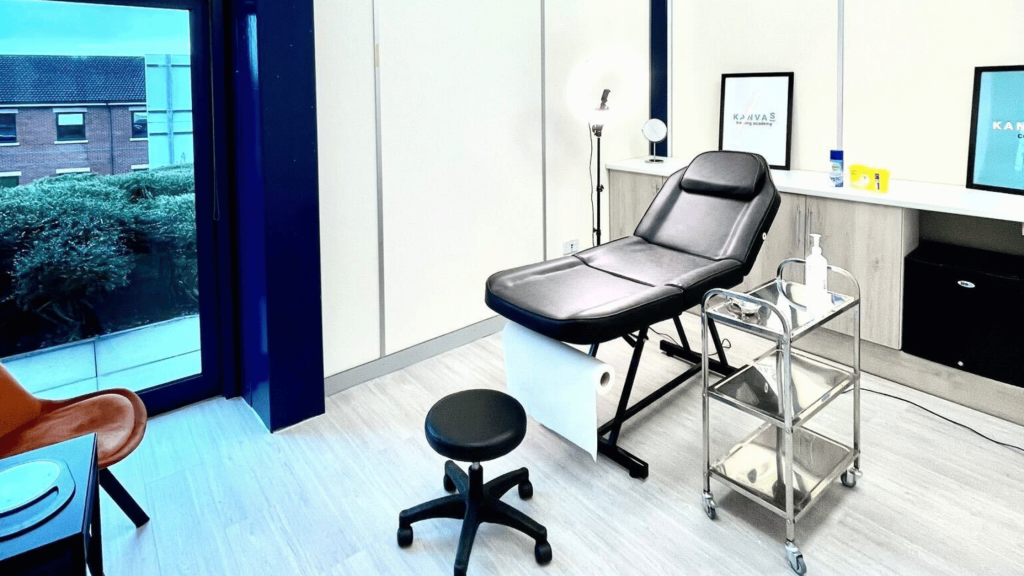
Transformative Success Stories
How do clinically required procedures really change lives? Individuals at aesthetic clinics commonly share compelling stories that highlight profound changes resulting from these interventions. One person, previously strained by serious skin disease, reported enhanced self-esteem and social involvement adhering to effective treatments. One more client, having problem with chronic discomfort due to an architectural problem, experienced considerable relief and restored mobility, enabling an extra active way of life. In addition, testimonies reveal improvements beyond physical look; one client noted enhanced mental health and wellness after dealing with a long-lasting concern that influenced their confidence. These stories emphasize the necessary role that clinically essential procedures play in boosting overall wellness, showcasing their capability to cultivate not only physical recovery however also psychological and emotional rejuvenation.
Conquering Individual Obstacles
Success tales from people at aesthetic clinics expose extensive improvements, however the trip often encompasses site link getting over significant individual obstacles. Lots of people face deep-seated insecurities, coming from stressful experiences or medical conditions that have impacted their self-confidence. As an example, one patient shared just how a corrective procedure not only boosted their physical look however additionally reduced years of anxiety and social withdrawal. One more endorsement highlighted the psychological toll of persistent skin issues, where treatment caused newfound self-confidence and a revitalized social life. These narratives illustrate that clinically required treatments offer not only to improve physical wellness but likewise to resolve psychological worries, allowing individuals to recover their lives and accept their real selves with renewed vitality.
Frequently Asked Questions
What Certifications Should I Seek in Aesthetic Clinics?
Just How Can I Determine if a Treatment Is Clinically Essential?
To figure out if a treatment is clinically essential, one should talk to a qualified healthcare specialist. They can review the individual's problem, go over prospective advantages, and warranty that the treatment aligns with well-known medical guidelines.
Exist Threats Connected With Aesthetic Medical Procedures?
Risks related to visual clinical treatments consist of infection, scarring, allergies, and discontentment with outcomes. Clients must extensively discuss prospective issues with certified professionals to make educated choices concerning their treatment options and total health.
Will My Insurance Cover Clinically Required Aesthetic Treatments?
Insurance policy protection for clinically needed aesthetic treatments differs considerably. People need to consult their insurance policy companies to determine specific policy information, consisting of qualification requirements, needed paperwork, and potential out-of-pocket costs associated with these procedures.
The length of time Is the Recuperation Time for These Procedures?
The healing time for medically necessary visit this site treatments varies considerably, commonly varying from a couple of days to a number of weeks. Elements influencing this duration consist of the details procedure, specific healing prices, and adherence to post-operative care guidelines.